

Spring rain and rising humidity across the St. Louis area can reveal hidden bathroom problems that hid over winter. Bathrooms have daily water exposure, but combined with seasonal moisture, it can make weak points in the system more noticeable.
With seasonal temperature changes, building materials have to adjust to these changes. Caulk and grout are designed to expand and contract, but repeated changes over the years build up. Shower caulk is the most vulnerable to seasonal changes. It shrinks and cracks and loses flexibility faster than grout or tile.
Once those seams begin to open, water can slip behind the tile during everyday showers. That’s why recaulking in St. Louis, MO, is often recommended as preventative maintenance. Replacing worn caulk helps keep moisture contained and protects the materials behind the tile.
Why Damaged Caulk Allows Water Behind Tile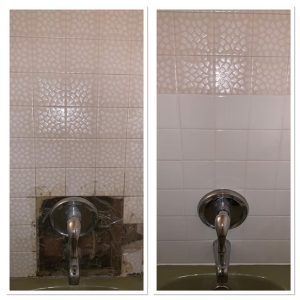
Caulk seals the joints where tile meets tubs, shower pans, and vertical corners. These areas experience natural movement, which is why flexible caulk is used instead of grout. When caulk begins to fail, water can pass through the gaps during routine use. Homeowners may notice cracking lines, sections pulling away from tile edges, or dark staining along the seams.
Homes in areas like Ladue and Creve Coeur are older, so they may have the original tiles installed. Older, maintained tile is durable, but the backing and grout don’t always handle long-term moisture exposure without being repaired or replaced. Start looking at shower caulk replacement in St. Louis to restore the seal around tile and shower edges, as well as refresh the look of your bathroom.
Caulk Failure Leads to Tile and Water Damage
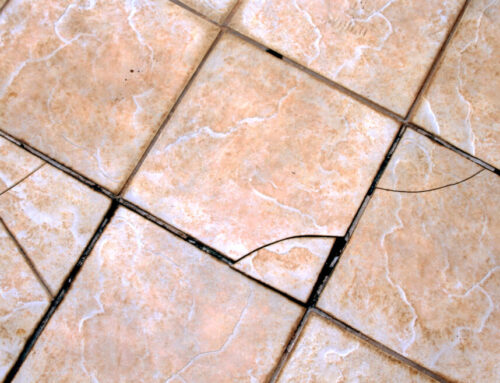
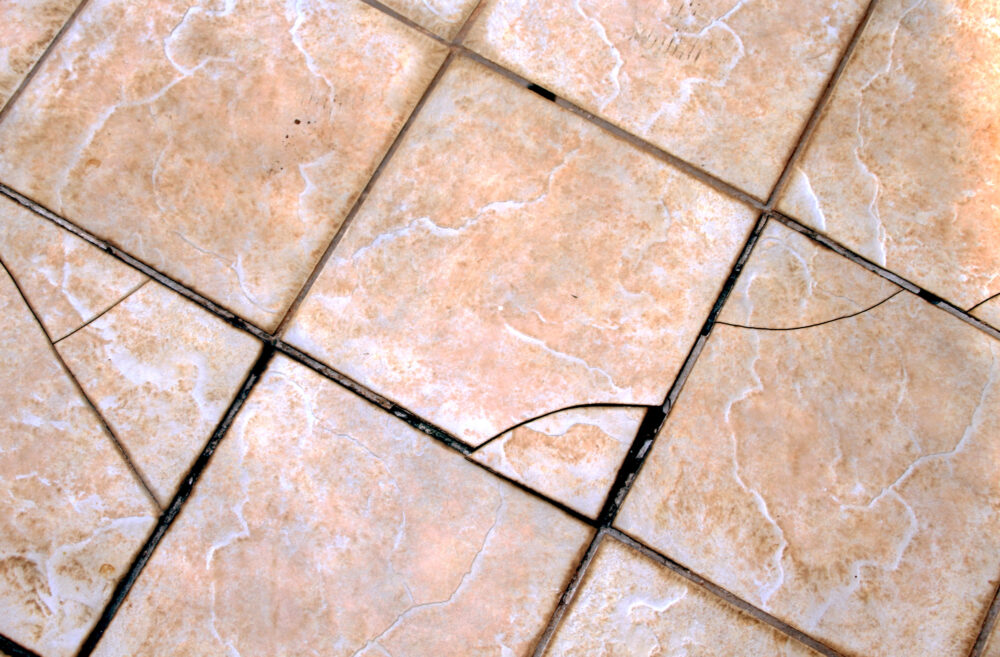
If there are any weak points in caulk lines, moisture will get behind tiles and cause problems. Backing boards and drywall are at the highest risk for damage, crumbling, or developing mold when they are regularly exposed to moisture. Keep an eye out for warning signs like loose tiles or grout lines that are developing small cracks. Even a slightly damp smell that lingers is worth addressing.
If you’re already noticing signs, tile with water damage may need to be repaired in your St. Louis home. This could mean smaller repairs or larger removals and rebuilds. We can walk you through the process of deciding how extensive any repairs need to be and making a plan to address the issues.
Preventative maintenance often stops these issues before they develop. Maintaining the caulk on joints keeps things sealed and water from reaching the wall behind the tile.
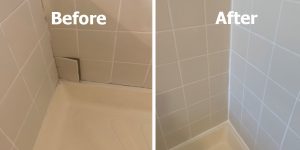 Fast Repairs That Protect Your Bathroom
Recaulking is one of the easiest ways to maintain a tidy shower and prevent moisture damage. But not all caulking jobs are created equal. Our professional team will remove deteriorating caulk, clean the surrounding surface, and install new moisture-resistant sealant along vulnerable seams. Recaulking services can usually be done in a single visit. Once finished, the shower will be better sealed and more protected from moisture exposure. Fresh caulk lines also give your bathroom a refreshed look.
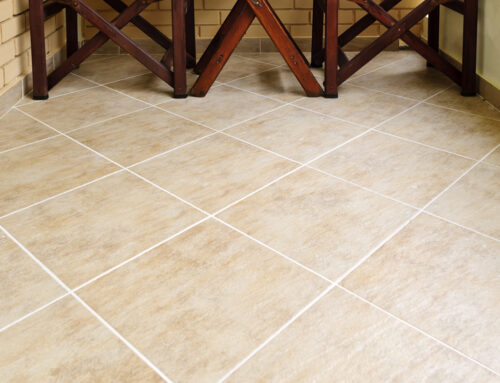
Homeowners sometimes pair this work with other maintenance services as well. Options like professional grout repair and cleaning in St. Louis can improve the appearance of aging tile while strengthening the surrounding surface.
Get Started Protecting Your Home
New builds and older St. Louis homes should have tiled bathrooms evaluated and any repairs made. Older homes have tiles that have lasted for decades, but the support structures might need addressing.
Spring is a good time to inspect shower seams after months of winter humidity changes. Cracked or separating caulk is usually one of the earliest warning signs.
Scheduling shower caulk replacement in St. Louis with The Grout Medic is quick and painless. Our team wants to get your bathroom in good running order and prevent any further issues. Homeowners who notice worn caulk or signs of moisture can book a free consultation to evaluate the condition of their bathroom.







Leave A Comment